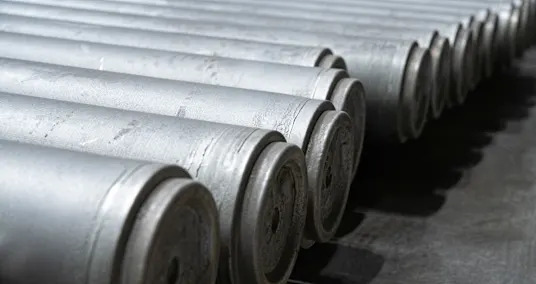
Fears of global aluminium shortages that could affect the production of clean energy technologies intensified after Iran struck two major Gulf aluminium producers, sending prices to a four-year high. The Middle East accounts for 9% of the world’s production of aluminum, which is essential to a wide range of industries from transportation, construction, and packaging, as well as the manufacture of solar panels, electrical transmission systems, wind turbines, and EVs.
Export shipments to the US and Europe had already come to a halt because of the effective closure of the Strait of Hormuz, and Morgan Stanley economists singled out aluminium as carrying a high level of risk across the value chain. Andy Farida, an aluminium analyst at Fastmarkets, told Semafor that high prices would be passed on to end-users, ultimately causing demand destruction. “A prolonged shutdown (with little to no alternative supplies other than Russia and China) could cripple the supply of aluminium to support the production of clean and green technology,” he said, adding that relief could come “if governments allow some sanctioned Russian and Chinese aluminium to be imported.”

LATEST POSTS


 Portable Installment Answers for Independent ventures
- Where You Could Sleep With Snorlax in Japan, From MIMARU’s Pokémon Rooms to Grand Hyatt Tokyo’s Limited Pokémon Suite
- Enormous Credit And All that You Really want To Be aware
- NASA's moon mission has begun — here's what's ahead for the Artemis II astronauts
- Vote In favor of Your Number one Game Control center
- Israel violated ceasefire with Hezbollah more than 10,000 times, UNIFIL claims
- Vote in favor of Your #1 Home Exercise Gear: Execution and Comfort Matter
- Mysterious bright blue cosmic blasts triggered by black holes shredding stars, scientists say. 'It's definitely not just an exploding star.'
- Figure out How to Augment the Advantages of a Web-based Degree